Septic System Relocation in Denver, CO
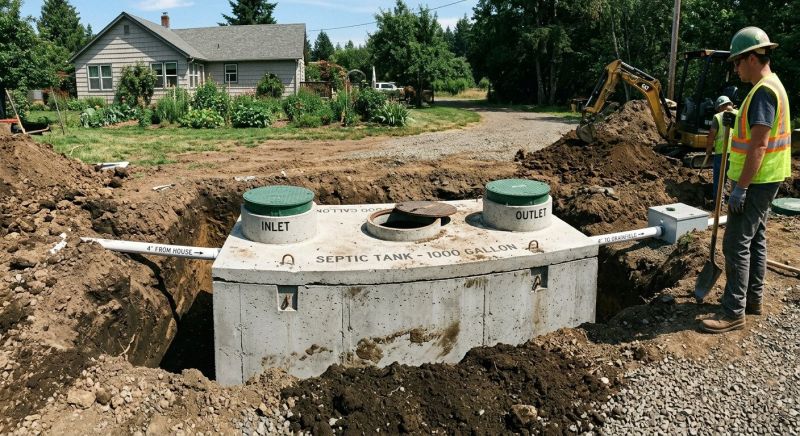
Septic system relocation services involve the process of moving an existing septic tank and associated components to a new location on a property. This service is often requested during major property renovations, additions, or when the current system no longer meets the property's needs. Projects can include shifting the septic system to accommodate new construction, improving access for maintenance, or relocating away from areas with soil or drainage issues. Property owners should understand the importance of assessing soil conditions, property layout, and local regulations before requesting a septic relocation to ensure the new placement complies with health and safety standards.
Before requesting septic system relocation, property owners typically want to know about site suitability, including soil type and drainage capabilities, as well as the impact on existing structures and landscaping. It’s also important to consider the proximity to wells, water sources, and property lines to prevent contamination and meet local codes. Understanding the scope of the project, potential disruptions, and any necessary permits can help in planning a successful move. Clear communication about these factors can facilitate a smoother process and ensure the new septic system functions effectively in its new location.
Many property owners in Denver, CO look into Septic System Relocation for repairs, replacements, upgrades, and appearance-related improvements.
Septic System Relocation Planning
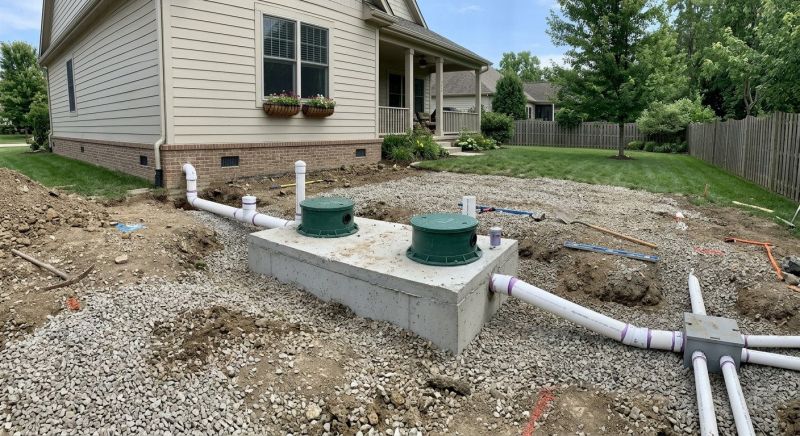
Proper planning ensures the new septic system meets property and code requirements.
Site Preparation And Excavation
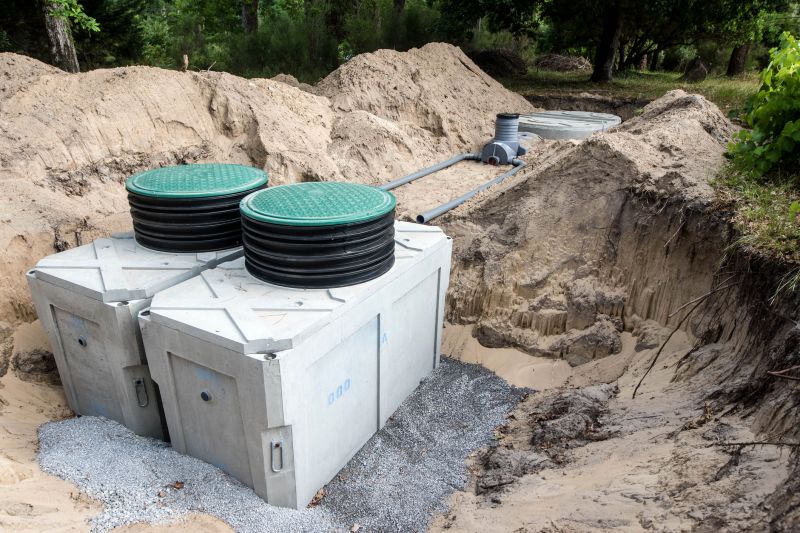
Preparing the site involves excavation and grading to accommodate the relocated system.
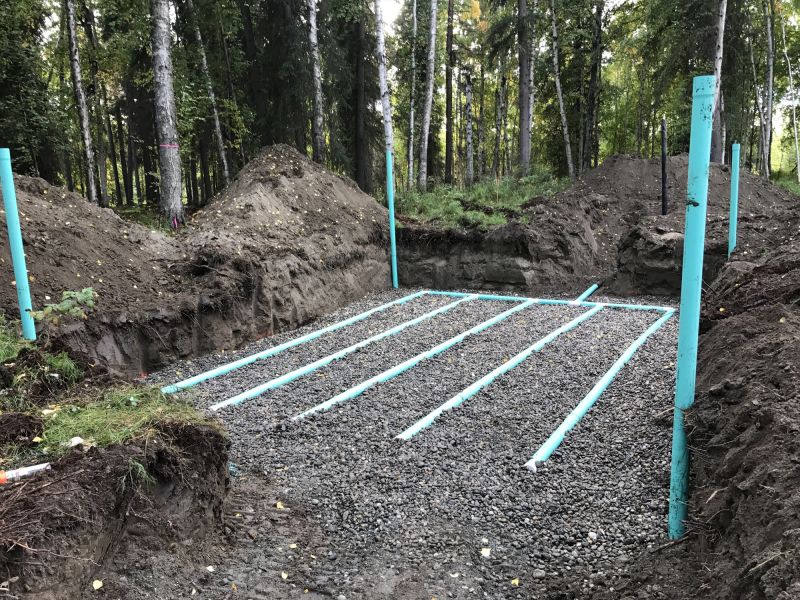
System Installation And Testing
Installation includes connecting to existing plumbing and verifying the system functions correctly.
Septic System Relocation in Denver, CO

Septic system relocation services involve the process of moving an existing septic tank and associated components to a new location on a property. This service is often requested during major property renovations, additions, or when the current system no longer meets the property's needs. Projects can include shifting the septic system to accommodate new construction, improving access for maintenance, or relocating away from areas with soil or drainage issues. Property owners should understand the importance of assessing soil conditions, property layout, and local regulations before requesting a septic relocation to ensure the new placement complies with health and safety standards.
Before requesting septic system relocation, property owners typically want to know about site suitability, including soil type and drainage capabilities, as well as the impact on existing structures and landscaping. It’s also important to consider the proximity to wells, water sources, and property lines to prevent contamination and meet local codes. Understanding the scope of the project, potential disruptions, and any necessary permits can help in planning a successful move. Clear communication about these factors can facilitate a smoother process and ensure the new septic system functions effectively in its new location.
Many property owners in Denver, CO look into Septic System Relocation for repairs, replacements, upgrades, and appearance-related improvements.
Common Septic System Relocation Jobs
Septic System Relocation - involves moving an existing septic system to a new location on the property.
Property Expansion - supports new construction or additions by relocating the septic system.
Drainfield Replacement - includes shifting the drainfield to improve system performance.
Site Reconfiguration - adjusts the septic setup to accommodate changes in property layout.
Environmental Compliance - ensures the system is positioned correctly to meet local regulations.
Maintenance and Inspection - involves assessing and preparing the system for safe relocation.
Septic System Relocation Questions
Why might a septic system need to be relocated? Septic systems may need to be moved due to new construction, property development, or to comply with updated regulations on setback distances.
What factors influence the complexity of a septic system relocation? The size of the system, soil conditions, and the location of existing utilities can affect the scope and difficulty of the move.
What should property owners consider before relocating a septic system? It’s important to assess site accessibility, ensure proper drainage, and confirm the new location meets all local codes and regulations.
What types of projects typically involve septic system relocation? Common projects include home expansions, lot subdivisions, or changes to property layout that require repositioning the septic system.
Request Septic System Relocation in Denver, CO
Use the quote form on this page to share the basics of your project and request more information for the type of work you need.